Dealing With Blocked Bath Drain Problems Before They Become Worse
Bath drainage problems often start with something small. Water may take a little longer to disappear after a bath, or you might notice an unpleasant smell coming from the plughole. These signs are easy to overlook, particularly when the bath still appears usable. However, drainage problems can become more difficult to manage if the cause is allowed to build up.
A blocked bath drain can develop when hair, soap residue, dirt and other material gradually collect inside the pipe. As the available space for water to pass through becomes smaller, drainage slows down. Eventually, water may remain in the bath for an extended period or stop draining properly altogether.
Acting when the first warning signs appear can help homeowners, property managers and other property professionals avoid unnecessary disruption. It can also help identify whether the issue is limited to one fixture or may involve another part of the drainage system.
Signs Your Bath Drain Problem Is Getting Worse
One of the clearest warning signs is slow drainage. After removing the plug, bathwater should normally flow away without leaving standing water for an unusually long time. If drainage becomes noticeably slower over several days or weeks, there may be an obstruction forming inside the waste pipe.
Standing water is another sign worth taking seriously. If water collects around your feet while showering in a bath or remains long after the plug has been removed, the pipe may have become significantly restricted. Continuing to use the bath without addressing the cause can allow more hair, soap and debris to collect.
Unpleasant smells can also indicate a drainage problem. Organic material trapped inside a pipe can begin to produce an unpleasant odour. Cleaning the bath itself may temporarily improve the smell, but it will not necessarily deal with material sitting farther inside the drainage system.
Listen for unusual sounds as well. Gurgling or bubbling from the plughole can sometimes occur when water and air are struggling to move freely through the drainage pipe. A change in the normal sound of the bath draining is therefore worth monitoring, particularly when accompanied by slow drainage.
Recurring trouble is another important warning sign. If a blocked bath drain appears to improve after basic cleaning but soon starts causing problems again, the obstruction may not have been fully cleared. There could also be a problem farther along the waste pipe that requires a more thorough assessment.
Pay attention to other bathroom fixtures at the same time. Problems affecting more than one drain can provide useful clues about where an obstruction is located. Property managers and landlords, in particular, can benefit from asking occupants when the problem first appeared and whether any other fixtures have started draining differently.
Early attention can make drainage problems easier to investigate. Waiting until water stops flowing away completely may result in greater inconvenience and could make the affected bathroom difficult to use.
Common Causes of Bathroom Drain Blockages
Bathroom drains handle water alongside many substances that can gradually settle inside pipes. Understanding what commonly causes restrictions can make prevention easier.
- Hair: Loose hair is one of the most common materials entering bath and shower plugholes. Strands can catch inside the waste pipe and combine with other debris, gradually forming a larger obstruction.
- Soap residue: Some soaps and personal-care products leave deposits behind. These deposits can stick to the internal surface of pipes and trap hair and dirt passing through.
- Dirt and body oils: Baths naturally wash away dirt, oils and other residue. Small quantities may not cause an immediate problem, but repeated accumulation can contribute to restricted water flow.
- Small objects: Bottle caps, pieces of packaging and other small bathroom items can accidentally enter an uncovered plughole. Depending on their size and position, they may trap additional material.
- Mineral deposits: In hard-water areas, mineral deposits can gradually develop inside certain pipes and fittings. Reduced internal space can make it easier for other debris to become trapped.
- Problems farther along the pipework: Sometimes the material visible near the plughole is not the main cause. A restriction may be located deeper within the waste pipe or in connected drainage pipework.
A bathroom sink clogged by hair, soap or grooming products can sometimes occur around the same period as trouble with a bath. Although each fixture may have its own local obstruction, problems involving several fixtures should not automatically be treated as unrelated.
It is also important to consider how frequently the bathroom is used. A busy family bathroom, rental property or commercial premises may experience faster build-up simply because larger amounts of water, hair and residue pass through the drainage system.
Understanding the likely cause helps determine the next sensible action. A small amount of visible hair around a plughole is very different from a persistent drainage problem affecting several fixtures, so the response should reflect the symptoms.
What to Do When a Bath Is Draining Slowly
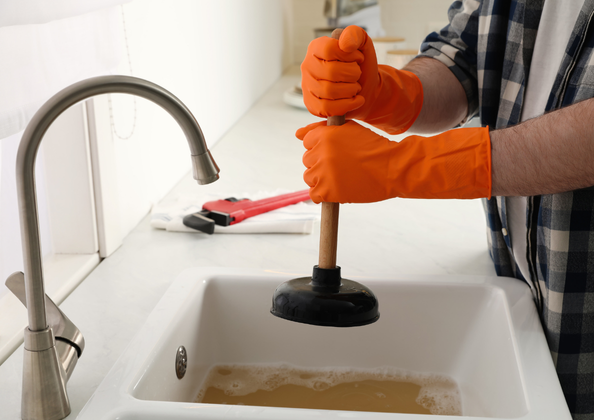
Start by checking the area that can be accessed safely. Remove the plug or removable drain cover where appropriate and look for visible hair or debris. Wearing gloves, remove material that can be reached easily without forcing tools deep into the pipework.
Cleaning the plug and surrounding area can also help. Hair and soap often gather immediately beneath or around these components. Regular removal prevents loose material from being washed farther into the waste pipe.
If you have a bathtub drain clogged with material beyond easy reach, avoid repeatedly pushing objects into the opening. Improvised tools can force an obstruction deeper into the system and may damage fittings or become stuck themselves. If simple, safe cleaning does not restore normal drainage, further investigation may be more appropriate.
Be cautious when considering chemical drain products. Different pipe materials and drainage systems can have different requirements, and strong products may present risks if used incorrectly. Mixing drain-cleaning chemicals is particularly unsafe. Always follow the manufacturer's instructions and warnings if using any household drainage product.
After removing accessible debris, run a reasonable amount of water and observe how quickly it flows away. The important point is whether drainage has returned to its usual rate rather than whether water simply disappears eventually.
If the improvement is only temporary, take that as useful information. A recurring problem can indicate that some of the obstruction remains farther down the pipe. Repeatedly treating the visible symptoms may not resolve the underlying cause.
Property managers and estate agents should also keep records of recurring drainage complaints where appropriate. Knowing that the same bathroom has experienced several problems over a relatively short period can help a drainage professional understand the history of the issue.
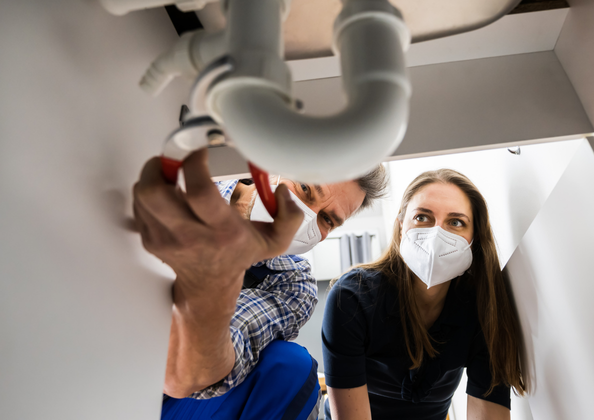
Avoid dismantling pipework unless you have the necessary knowledge and equipment. Incorrectly refitted connections can leak, potentially causing damage inside cupboards, beneath flooring or in rooms below. Contractors and builders dealing with wider refurbishment work should similarly consider whether drainage symptoms suggest an issue requiring specialist attention.
Ways to Reduce Future Bathroom Drain Problems
A few straightforward habits can reduce how much unwanted material enters bathroom drainage pipes. Preventative care is generally easier than dealing with water that no longer drains correctly.
- Use suitable drain strainers: A simple strainer can catch loose hair before it enters the waste pipe. Empty and clean it regularly so water can continue flowing freely.
- Remove visible hair promptly: Rather than washing loose hair down the plughole, collect it from the bath or basin and place it in a bin.
- Keep unsuitable items away from drains: Cotton buds, wipes, packaging, sanitary products and other solid items should not be allowed to enter bathroom drains.
- Clean plugholes regularly: Removing accessible soap deposits and hair can limit the amount of material that moves farther into the drainage pipe.
- Watch for changes in drainage speed: Knowing how quickly your fixtures normally drain makes it easier to notice deterioration early.
- Respond to recurring smells: Persistent odours should not simply be covered with fragrances. Establishing where the smell originates can help identify a drainage issue sooner.
- Pay attention to multiple fixtures: If several bathroom drains change behaviour around the same time, there may be a wider issue requiring investigation.
A blocked shower drain often develops for many of the same reasons as bath drainage trouble, particularly where hair and soap residue regularly enter the waste. Using strainers and removing collected debris frequently can therefore be useful across both fixtures.
Prevention is particularly important in rental properties and frequently used premises. Clear guidance for occupants about what should and should not enter drains can reduce avoidable problems. Routine property inspections can also provide an opportunity to identify slow drainage before it becomes a complaint or causes significant inconvenience.
No preventative measure can guarantee that a drainage problem will never occur. Pipes can develop restrictions for reasons that are not visible from the bathroom itself. The aim is to minimise avoidable build-up and recognise unusual behaviour promptly.
When Professional Drain Cleaning Is the Right Choice
Basic maintenance is useful when the cause is visible and easily accessible, but some drainage problems need professional attention. Knowing when to stop attempting household solutions can prevent wasted time and reduce the risk of accidentally making the situation more difficult.
Consider professional assistance when water drains extremely slowly, does not drain at all, or the same problem repeatedly returns. Persistent smells, unusual gurgling and problems involving several fixtures can also justify further investigation.
A professional can assess a blocked bath drain and determine whether the restriction is close to the fixture or farther along the drainage system. Suitable drain-cleaning equipment can then be selected according to the nature and location of the problem rather than relying on repeated guesswork.
A clogged bathroom drain that continues causing trouble after accessible debris has been removed may indicate that material remains deeper within the pipe. Professional cleaning can be particularly useful when the location or extent of an obstruction cannot be established through straightforward household checks.
Professional help can also be sensible in managed properties. Property managers, estate agents and landlords often need drainage problems dealt with efficiently so occupants can continue using essential facilities. Keeping records of previous problems can help provide useful context when arranging a visit.
For small businesses, drainage problems can affect staff facilities, customer areas or day-to-day operations. Prompt investigation may limit disruption and help prevent a relatively manageable issue from developing into a more inconvenient one.
Contractors and builders may encounter drainage problems during renovation or maintenance work as well. Where the issue falls outside the scope of the project, involving a suitable drainage professional can help establish the cause without unnecessary interference with existing pipework.
The key is not to wait for a complete failure before considering help. Slow drainage, recurring symptoms and changes affecting several fixtures can all provide useful early warnings.
Blocked Drain Cleaning Bromley provides professional drain-cleaning support with an emphasis on dependable service, careful working practices and straightforward communication.
We understand that different customers have different priorities. Homeowners may want to restore normal use of an essential bathroom, while property managers and estate agents may need an efficient solution for tenants or managed properties. Small business owners, contractors and builders may need drainage issues addressed with minimal disruption to other work.
Our approach focuses on assessing the problem properly rather than relying on assumptions. Customers receive clear information about the issue and the work required, helping them make informed decisions about their drainage system.
Check out our latest X update on how to deal with a
blocked bath drain before the problem becomes worse!
You might also like