Why Regular Drain Clearance Matters for Homes and Businesses
Drainage systems play an important role in keeping homes and commercial properties clean, safe, and comfortable. However, they often receive little attention until something goes wrong. Slow-draining sinks, unpleasant smells, and overflowing drains can quickly disrupt daily activities and create unnecessary stress for property owners.
Regular drain clearance helps prevent these problems by removing accumulated waste and keeping water flowing freely through pipes. It also reduces the likelihood of unexpected blockages, water damage, and expensive repairs.
For homeowners, property managers, landlords, and business owners, maintaining a healthy drainage system is an essential part of responsible property care. Even a minor obstruction can develop into a serious issue when left untreated.
Understanding why routine maintenance matters, recognising early warning signs, and knowing when to seek professional assistance can help protect your property and avoid unnecessary disruption.
Why Regular Drain Maintenance Is Essential
Drainage systems carry wastewater away from kitchens, bathrooms, toilets, and other areas where water is used. Over time, grease, soap residue, food particles, hair, and other materials can accumulate inside pipes. Without regular attention, these deposits gradually restrict water flow and increase the risk of blockages.
Routine maintenance helps identify and remove these materials before they create serious problems. It also provides an opportunity to check whether pipes are functioning correctly or showing signs of damage.
For homeowners, this means fewer unexpected plumbing problems and a more comfortable living environment. For businesses, particularly restaurants, cafés, offices, and retail premises, reliable drainage helps maintain cleanliness and supports uninterrupted operations.
Many property owners begin searching for drain clearance near me when wastewater starts draining slowly or unpleasant smells become noticeable. However, arranging preventative maintenance before these symptoms appear can reduce the need for urgent intervention.
Another important consideration is property protection. Persistent drainage problems may contribute to damp conditions, wastewater leaks, and damage to surrounding surfaces. If sewage backs up into a building, affected areas may require professional cleaning and repairs.
Regular maintenance is especially valuable in older properties, where drainage systems may have experienced years of wear, previous repairs, or changes to pipework.
In areas such as Bromley, properties range from traditional houses to modern commercial buildings. Although drainage layouts differ, the need for effective maintenance remains the same.
Keeping pipes in good condition helps property owners manage maintenance responsibilities, reduce avoidable disruption, and maintain a cleaner environment for everyone using the building.
Common Drainage Problems That Regular Maintenance Can Prevent
Drainage problems often develop gradually. Materials accumulate inside pipes until water can no longer pass through efficiently. Recognising the most common causes makes it easier to prevent serious obstructions.
Professional blocked drain clearance can address accumulated waste and restore normal flow when a blockage has already developed. However, routine cleaning and sensible disposal habits can help reduce the likelihood of the same problem returning.
Common drainage problems include:
- Grease and fat accumulation: Cooking oils, butter, and food grease can cool and solidify inside pipes. Over time, these substances collect other waste materials, creating stubborn deposits that restrict water movement. This problem is particularly common in kitchens where grease is regularly washed into sinks.
- Hair and soap residue: Bathroom drains frequently collect hair, soap deposits, and personal care products. These materials can cling to pipe interiors and gradually form obstructions. Using suitable drain covers and removing visible debris can help limit accumulation.
- Food waste entering kitchen drains: Rice, coffee grounds, vegetable peelings, and leftover food can become trapped in drainage pipes. Even small quantities may contribute to larger obstructions when combined with grease. Scraping plates into a food waste container before washing them helps prevent this issue.
- Tree root intrusion: Underground pipes may develop cracks or defective joints that allow nearby tree roots to enter. Roots can grow inside the pipe, restricting water flow and trapping waste. Professional inspections can identify this problem before extensive damage occurs.
- Foreign objects and unsuitable materials: Wet wipes, sanitary products, cotton buds, and paper towels should not be flushed down toilets. These items may remain intact inside drainage systems and combine with other waste to create difficult blockages.
- Damaged or misaligned pipes: Ageing pipework, ground movement, and poor installation can affect drainage performance. Cracks, displaced joints, and collapsed sections may cause repeated obstructions that ordinary cleaning cannot permanently resolve.
- Unpleasant smells and stagnant wastewater: Waste trapped inside pipes can produce persistent odours. These smells may indicate accumulated organic material, poor water flow, or another drainage defect requiring investigation.
Regular maintenance helps identify these problems early. However, cleaning alone cannot repair broken pipes or correct serious structural defects. Where damage is discovered, appropriate repair work may be necessary.
Property owners should also remember that different drainage problems require different solutions. A grease obstruction may respond well to professional jetting, while a damaged underground pipe may need specialist repair.
Key Benefits of Routine Drain Maintenance for Property Owners
Maintaining drainage systems provides benefits beyond preventing occasional blockages. It supports property hygiene, protects building materials, and helps owners manage ongoing maintenance responsibilities.
Choosing reliable local drain clearance can make it easier to arrange inspections, address developing problems, and maintain a consistent approach to drainage care.
Some of the main benefits include:
- Reduced risk of expensive repairs: Minor drainage problems are generally easier to manage before they become severe. Removing accumulated debris and identifying defects early may prevent more extensive damage. Although maintenance cannot eliminate every risk, it can reduce avoidable problems.
- Better hygiene and cleanliness: Blocked drains can cause wastewater to remain in sinks, showers, or external drainage areas. In severe cases, contaminated water may enter occupied spaces. Maintaining effective wastewater flow helps support cleaner and more hygienic conditions.
- Fewer disruptions to daily activities: Drainage problems can make kitchens, bathrooms, and toilets difficult or unsafe to use. For businesses, this may interrupt normal operations or affect customer facilities. Preventative maintenance helps reduce the likelihood of unexpected interruptions.
- Improved property management: Landlords and property managers often oversee several drainage systems across different buildings. Scheduled inspections can help them identify recurring concerns, plan necessary work, and respond to maintenance requests more effectively.
- Protection against water damage: Wastewater escaping from defective or overflowing drains may damage flooring, walls, fixtures, and surrounding areas. Keeping drainage systems functioning correctly helps reduce the risk of avoidable water-related damage.
- Longer-lasting drainage performance: Removing harmful deposits and addressing developing faults can help pipes continue operating effectively. Maintenance cannot reverse normal ageing, but it may prevent certain problems from causing premature deterioration.
- Greater confidence for property owners: Knowing that drainage systems receive appropriate attention provides reassurance. Homeowners can feel more confident about everyday use, while commercial property owners can better plan maintenance around business activities.
- Support for property sales and renovations: Estate agents, contractors, and builders may encounter drainage concerns during property transactions or improvement projects. Identifying problems early allows owners to consider repairs before they interfere with planned work.
The frequency of maintenance depends on several factors, including property age, drainage condition, usage patterns, and previous blockage history.
For example, a busy commercial kitchen may require more frequent attention than a household with relatively light wastewater usage. Similarly, properties with recurring blockages may benefit from additional inspections.
A professional assessment can help determine an appropriate maintenance schedule without recommending unnecessary cleaning. Ultimately, preventative care supports more reliable drainage and gives property owners greater control over potential maintenance costs.
When Should You Arrange Professional Drain Maintenance?
Some drainage problems can be managed through simple preventative habits, such as removing visible debris from sink strainers. However, persistent or worsening symptoms may indicate an obstruction deeper within the system. Knowing when to contact a specialist can help prevent further damage and reduce disruption.
In situations involving overflowing wastewater, sewage backing up, or drainage failure affecting essential facilities, emergency drain clearance may be necessary to restore safe conditions as quickly as possible.
Warning signs that require professional attention include:
- Slow-draining sinks and showers: Water taking longer than usual to disappear may indicate accumulated waste inside the pipe. If cleaning accessible strainers does not resolve the issue, a deeper obstruction may be present.
- Recurring blockages: A drain that becomes blocked repeatedly may have an underlying problem that has not been fully addressed. Possible causes include grease deposits, damaged pipes, tree roots, or an obstruction further along the drainage system.
- Gurgling sounds: Unusual noises from sinks, toilets, or other fixtures can indicate restricted wastewater movement or ventilation problems. These sounds should be investigated when they occur regularly or alongside slow drainage.
- Persistent unpleasant odours: Strong smells around sinks, external drains, or inspection chambers may suggest trapped waste, stagnant wastewater, or defective pipework. Identifying the source is important because masking the smell does not resolve the underlying cause.
- Water backing up into fixtures: Wastewater appearing in a shower when a toilet is flushed, or rising in another connected fixture, may indicate a shared drainage obstruction. This situation requires prompt assessment.
- Overflowing external drains: Water or sewage escaping from an outdoor inspection chamber can indicate a serious restriction downstream. Avoid contact with contaminated water and seek professional assistance.
- Drainage problems affecting several fixtures: When multiple sinks, toilets, or showers experience problems simultaneously, the obstruction may be located in a shared pipe rather than an individual fixture.
- Problems following heavy rainfall: External drainage systems may struggle when surface water cannot escape efficiently. Persistent flooding or overflowing chambers should be assessed to determine whether the cause involves a blockage, damaged pipework, or inadequate drainage capacity.
Property owners should avoid repeatedly using harsh chemical cleaners to address stubborn obstructions. These products may not remove the underlying cause and can create additional handling risks for anyone working on the system.
If sewage is entering the property, minimise use of affected facilities, keep people away from contaminated areas, and contact an appropriate professional.
For shared drains or public sewers, responsibility may rest with the relevant water company rather than an individual property owner. Establishing ownership helps ensure the problem is reported to the correct organisation.
How Professional Drainage Specialists Keep Drains Working Efficiently
Professional drainage specialists use suitable inspection and cleaning methods to identify problems and restore effective wastewater flow. The approach depends on the type of obstruction, the condition of the pipes, and the accessibility of the drainage system.
A typical service begins with an assessment of the reported symptoms. The specialist may ask when the problem started, which fixtures are affected, and whether similar issues have occurred previously.
For persistent or difficult problems, a CCTV drain survey may be recommended. This involves inserting a specialist camera into the pipework to inspect its internal condition.
The camera can help identify grease deposits, foreign objects, root intrusion, displaced joints, and structural damage. Understanding the cause allows the specialist to select an appropriate solution rather than relying on guesswork.
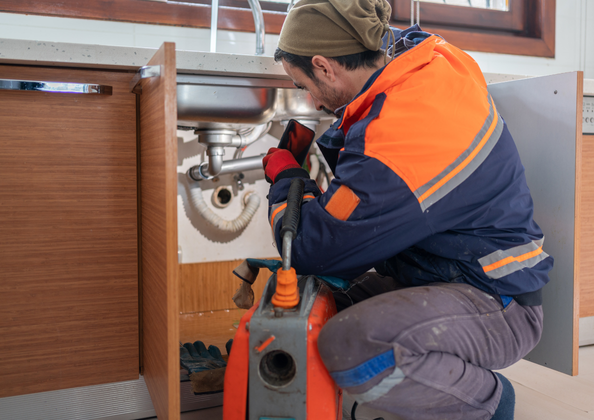
Professional drain blockage clearance may involve high-pressure water jetting, mechanical cleaning, or other suitable equipment. The method is selected according to the obstruction and the condition of the drainage system.
High-pressure water jetting uses controlled streams of water to break apart accumulated waste and remove deposits from pipe interiors. It is commonly used for grease, silt, and other materials that restrict water flow. Mechanical equipment may be suitable for certain compact obstructions or situations where water jetting alone is insufficient.
Both methods require appropriate handling. Excessive pressure or unsuitable tools can damage vulnerable pipework, which is why the condition of the system should be considered before cleaning begins.
Once the obstruction has been removed, the specialist may check whether water flows correctly and whether further investigation is needed. Where inspections reveal cracks, collapsed sections, or other structural defects, cleaning may provide only temporary relief. Repairs or replacement may be required to address the underlying problem.
For commercial properties, ongoing maintenance arrangements can be particularly useful. Restaurants, cafés, offices, and other busy premises often depend on reliable drainage throughout the working day.
Homeowners may also benefit from periodic inspections, especially when living in older properties or buildings with a history of recurring problems.
Professional advice should include practical prevention measures. These may involve improving waste disposal habits, fitting suitable sink strainers, maintaining grease management equipment, or arranging further investigation where necessary.
Regular
drain clearance is essential for protecting residential and commercial properties. It helps prevent blockages, maintain hygiene, and reduce unexpected drainage problems.
Simple habits, such as responsible waste disposal and recognising early warning signs, can make a significant difference. Professional inspections and cleaning also help keep drainage systems working efficiently.
Whether you manage a home, rental property, or commercial building, regular maintenance helps protect your property and avoid costly repairs. Taking action early and seeking professional assistance when needed ensures a safer, cleaner, and more reliable drainage system.
Blocked Drain Cleaning Bromley, we focus on providng reliable solutions for homeowners, landlords, property managers, and businesses, helping them maintain clean and efficient drainage systems.
We understand that drainage problems can be stressful, especially when they disrupt daily activities. Our professional drain clearance approach focuses on identifying the cause of blockages and recommending effective, long-lasting solutions.
With a customer-focused approach, we prioritise clear communication, professional service, and practical advice. Whether you need routine maintenance or assistance with a stubborn blockage, our aim is to keep your drainage system working efficiently.
When you need dependable drain clearance, our team is committed to helping you prevent recurring problems, minimise disruption, and protect your property from unnecessary damage.
Check out our latest X update on why regular
drain clearance matters for preventing blockages, improving drainage and protecting properties!
You might also like