When Blocked Sinks Become a Serious Plumbing Problem at Home
A sink that drains slowly is easy to dismiss, especially when it still appears to be working. However, blocked sinks are often an early warning sign of a developing plumbing problem that can quickly become much more serious if left untreated. Whether the issue affects a kitchen, bathroom or utility room, restricted drainage places unnecessary pressure on the plumbing system and can eventually lead to overflowing water, unpleasant smells and costly repairs. Recognising the signs early and taking prompt action can help prevent more extensive damage and unnecessary expense.
Many drainage issues develop gradually over time. Grease, soap residue, food waste, hair and other debris build up inside pipework until water can no longer flow freely. Although some homeowners attempt temporary DIY solutions, these often treat the symptom rather than the underlying cause. Understanding the warning signs and acting promptly can help prevent unnecessary disruption and protect your property from more extensive damage.
For homeowners, property managers, small business owners, real estate agents, contractors and builders, recognising when blocked sinks have become a serious concern is an important part of maintaining any property.
Signs Your Sink Needs Immediate Attention
One of the earliest signs of a drainage problem is water taking longer than usual to disappear after the tap has been turned off. While this may seem insignificant at first, slow drainage usually indicates that a blockage is beginning to restrict the flow inside the pipes.
Another common warning sign is unpleasant odours coming from the plughole. Organic material trapped within the drainage system starts to decompose, producing smells that become increasingly noticeable throughout the property. These odours rarely disappear on their own and generally worsen as the blockage grows.
Gurgling sounds are another indication that something is interfering with normal water flow. Air becomes trapped behind the obstruction, creating bubbling or gurgling noises whenever water is used elsewhere in the property.
If water begins backing up into the sink instead of draining away, the problem has likely progressed beyond a simple build-up of debris. In these situations, delaying professional attention increases the likelihood of overflow, leaks and internal water damage.
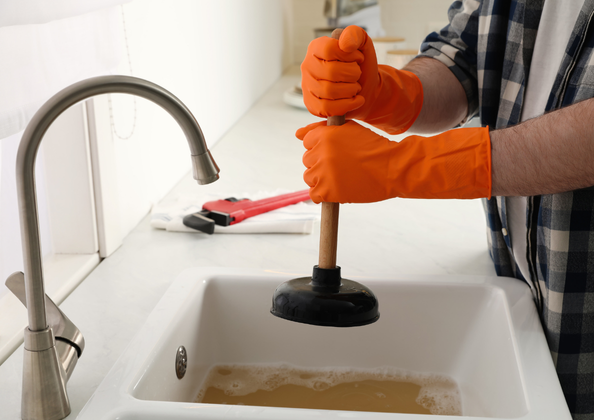
A kitchen sink clogged with grease and food particles is particularly vulnerable because daily cooking habits continuously introduce substances that stick to the inside of pipework. Over time, these deposits narrow the available space for water to pass through, allowing debris to collect even more quickly.
Common Causes of Sink Blockages
Several everyday habits contribute to drainage problems. Many develop gradually without occupants realising damage is occurring until symptoms become obvious.
- Grease, fat and cooking oils that solidify inside pipes after cooling.
- Food scraps, coffee grounds and starchy waste washed into kitchen drains.
- Soap residue combining with minerals to form stubborn deposits.
- Hair, toothpaste and personal care products accumulating in bathroom sinks.
- Foreign objects such as wipes, cotton buds, paper towels and small household items entering the drainage system.
- Tree root intrusion affecting underground drainage in some properties.
- Damaged, collapsed or ageing pipework restricting normal water flow.
When a kitchen drain clogged with accumulated grease combines with food waste, the resulting obstruction often becomes dense enough to resist ordinary household drain cleaners. This highlights why preventative care is usually far more effective than attempting to resolve a severe blockage after it has fully developed.
The Risks of Ignoring Drain Problems
Ignoring drainage issues rarely results in them improving naturally. Instead, the blockage typically becomes larger as additional debris attaches itself to the existing obstruction.
Overflowing sinks can damage cupboards, flooring, walls and decorative finishes. Water escaping into concealed areas may also contribute to mould growth, affecting indoor air quality and increasing repair costs.
Persistent moisture around plumbing fixtures can weaken surrounding materials over time. Wooden cabinets may swell, laminate surfaces can become damaged and plasterboard may deteriorate after prolonged exposure to damp conditions.
A clogged sink drain also creates hygiene concerns. Standing water encourages bacterial growth, while unpleasant smells can spread throughout kitchens and bathrooms, making the property less comfortable for occupants and visitors alike.
Commercial premises may experience additional operational disruption. Staff facilities becoming unusable can inconvenience employees, while customer-facing businesses may struggle to maintain the professional appearance expected by clients.
Property managers overseeing multiple buildings should treat recurring drainage complaints seriously, as unresolved issues can lead to expensive maintenance work across several properties if similar habits continue unchecked.
Where pipework becomes completely obstructed, pressure within the drainage system may increase. In some situations, this can contribute to leaks developing at joints or weak sections of pipe, creating hidden water damage before the problem becomes visible.
A clogged drain pipe may also affect nearby plumbing fixtures. Toilets, baths and showers connected to the same drainage system can begin draining more slowly, indicating that the obstruction extends further into the property's waste pipe network rather than remaining isolated to a single sink.
Preventing Future Drain Problems
Preventative maintenance remains the most effective way to reduce the likelihood of recurring drainage issues.
- Allow cooking grease and oils to cool before disposing of them in household waste rather than pouring them into sinks.
- Scrape food waste into a bin before washing plates and cookware.
- Install sink strainers to catch food particles, hair and larger debris.
- Clean strainers regularly to maintain effective water flow.
- Avoid flushing unsuitable items into drains.
- Rinse sinks with hot water after heavy use where appropriate.
- Arrange periodic professional drain cleaning for properties with high usage or recurring drainage issues.
- Address slow drainage promptly before a complete blockage develops.
- Educate household members, tenants or staff about good drainage habits.
Simple preventative measures often make a significant difference over the lifetime of a property's plumbing system. Establishing consistent maintenance routines helps minimise emergency call-outs while extending the lifespan of drainage infrastructure.
When Professional Help Is the Best Option
While some minor surface debris can be removed safely, recurring drainage problems usually indicate a deeper issue within the pipework. Repeatedly relying on chemical drain cleaners may not resolve the underlying obstruction and, in some cases, excessive use can contribute to deterioration of certain plumbing materials.
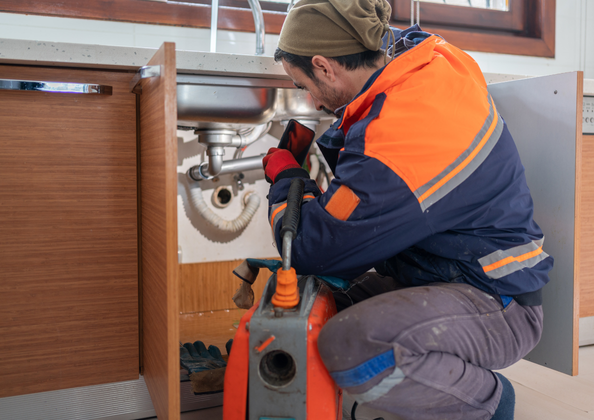
Professional drainage specialists have access to equipment specifically designed to locate and remove blockages efficiently. High-pressure water jetting, specialist mechanical cleaning tools and CCTV drain inspections allow technicians to identify the exact cause without unnecessary excavation or guesswork.
Early intervention is often considerably more cost-effective than waiting until a complete blockage or overflow occurs. Professional inspections can reveal developing issues such as cracked pipes, root intrusion or heavy scale deposits before they require extensive repairs.
Regular maintenance is particularly beneficial for rental properties, commercial premises and buildings with high daily water usage. Preventative inspections help identify concerns before they affect occupants, reducing disruption and avoiding unexpected repair costs.
Whether maintaining a family home, managing residential developments or overseeing commercial properties, prompt professional attention provides reassurance that the drainage system is functioning safely and efficiently.
Taking action as soon as warning signs appear also helps prevent avoidable water damage and protects the long-term condition of the plumbing network. Addressing problems early supports better hygiene, reduces the risk of emergency situations and helps property owners avoid larger repair bills in the future.
Ultimately, blocked sinks should never be viewed as a problem that will simply disappear with time. Acting quickly helps preserve the condition of your drainage system and keeps your property functioning as it should.
Blocked Drain Cleaning Bromley is committed to delivering dependable, professional drainage services with customer satisfaction at the heart of every job. Our experienced team understands that drainage issues can cause significant inconvenience, which is why we respond promptly and work efficiently to identify the root cause of the problem.
We use modern equipment and proven drainage techniques to provide effective solutions while maintaining high standards of workmanship. Every property is different, so we take the time to assess each situation carefully and recommend the most appropriate course of action.
Our services are suitable for homeowners, landlords, property managers, small businesses, estate agents, contractors and builders who require reliable drainage expertise. We believe in honest communication, transparent service and practical solutions designed to help protect your property's drainage system for the long term.
Check out our latest X update on how
blocked sinks can quickly become a serious plumbing problem at home if left untreated!
You might also like